
18 Mar What Flooring Types Are the Easiest to Keep Clean?
When it comes to cleaning, not all floors are created equal. Some floors trap dust and allergens, others can show every scuff and scratch mark from where you moved the furniture. If a low maintenance lifestyle is a priority for you, the type of flooring you choose matters more than you may think.
In this article, the team at Cronulla Carpets have laid out the different types of flooring options you have for your home, and discussed which is easier to clean and take care of. If you want to discuss these flooring options, get in touch with us today.
What Makes a Floor Easy to Clean?
A floor is easy to clean when it has a non-porous surface and high scratch resistance. These features can prevent liquids from absorbing into the floor and stop dust and allergens becoming trapped. Essentially, this means spills are easier to simply wipe away.
Smooth and seamless floors are also the easiest to clean as there are no places for spills to pool, and no crevices for dirt and mess to get trapped.
The best practices for cleaning a floor are:
- Dry first: To the best of your abilities, always sweep or vacuum a floor to remove loose dirt, dust and hair. Wetting dry debris makes it stickier and harder to remove.
- Choose the right cleaner: Soap-heavy or harsh acidic cleaners can damage your floor. Choose a neutral pH cleaning solution and a cloth, not a hard, scratching cleaning device.
- Clean with the grain: Especially with hardwood or textured vinyl, wipe in the direction of the grain to prevent streaking.
Which Floors Require the Least Effort to Maintain?
Floors that require the least maintenance are those with hard, non-porous, and scratch-resistant surfaces. The absolute lowest-effort options are Luxury Vinyl Plank (LVP) and Porcelain or Sealed hardwood.
Luxury Vinyl Plank (LVP)
This is considered the easiest floor type to clean and maintain. It has a non-porous glazed surface that repels water, stains and dirt. It can also handle harsh cleaning agents if you need. A regular sweep and mop is all you need. However, watch out for the grout lines as they may trap dirt and require extra scrubbing.
Sealed Hardwood
Hardwoods in general tend to require more maintenance and attention than LVP, but sealed wood is actually easy to keep clean and sanitary. Dirt and debris stay on the surface and can be easily swept or vacuumed away. A routine of dry sweeping and a mop is all you need for maintenance. Just watch out for spills. Even though it is sealed, liquids can damage the surface. Any spills need to be cleaned up right away.
Laminate Flooring
This is an affordable alternative that looks like wood but takes much less effort to maintain and keep clean. The clear plastic wear layer easily resists stains, fading and scratching. A routine of regular sweeping and mopping with a damp mop is all you need. Keep an eye on the labelling. Laminate itself is generally not waterproof so quickly cleaning up spills is important. However, you can get waterproof laminate for kitchens and bathrooms, so check the label carefully.
Can Vinyl Really Replace Timber Flooring Without the Upkeep?
The short answer is yes. It gives you water-resistance, durability and is a budget friendly alternative that only needs sweeping and the occasional damp mop. It can’t replace the natural warmth and feel of real wood, nor can it be sanded or stained, but it is a great alternative.
The Pros of Vinyl:
- No refining. You don’t need to sand, oil or polish vinyl flooring.
- Moisture resistance. High quality vinyl is waterproof. This makes it an ideal choice for laundries or bathrooms where wood floors would warp.
- Durability. Vinyl survives well against heavy foot traffic, scuffs and scratches.
- Cost-effective. You can achieve a realistic wood grain look at the fraction of the price of real hardwoods.
- Acoustic Properties: The resilient, multi-layered material absorbs the energy from footfall, dropped objects, and pet claws, stopping noise from transferring into lower levels.
The Cons of Vinyl
- Cannot be restored. Unlike hardwood floors, if vinyl suffers from deep scratches or cuts, you can’t sand it back and repolish. You need to replace individual planks, which can be complicated.
- Sound and feel. Vinyl can feel hollow underfoot, or sound a little plastic when walked on. It doesn’t have that solid acoustic feel of real hardwood flooring.
- Environmental impact. It is a PVC-based flooring and hence not easily recyclable. Also, if you’re looking to sell your home, vinyl flooring doesn’t have the same buyer-appeal as hardwood flooring.
What to Look for When Buying Vinyl Flooring
For a floor that looks realistic and lasts as long as possible, there are two key things to be on the lookout for:
- A thick wear layer. Look for at least a 20mil wear layer for areas in your home with heavy foot traffic so your floor has a better chance at resisting scratches and dents.
- Embossed in Register (EIR) textures. This is an advanced printing technology that gives the vinyl a tactile, wood-grain feel rather than just a flat, synthetic one.
How Easy Is Timber Flooring to Keep Clean?
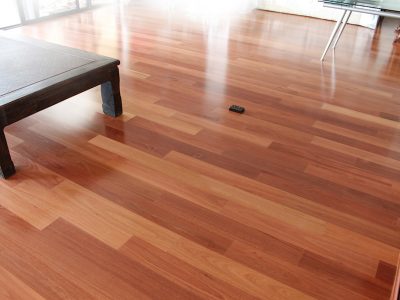
Timber flooring is quite easy to keep clean as long as you stick to a dry-maintenance routine and avoid too much moisture. Debris sits on the surface of timber flooring rather than getting embedded in the fibres of a carpet, sweeping and vacuuming can take care of most of the mess.
DO:
- Weekly dry cleaning with a microfiber dust mop or a vacuum with a soft-bristled attachment.
- Occasional wet cleaning with a mop that is slightly damp, not soaking wet. Always use pH neutral wood floor cleaner.
DON’T:
- Steam mops are bad. The heat and forced moisture can get into the wood and cause it to warp or splinter.
- Never soak the floor, never let puddles stand for very long. Always wipe up spills as quickly as possible
- Abrasive products are also a bad idea for wood floors. Ammonia, bleach and oil soaps will strip any protective finish on the wood floor.
Is Carpet Flooring Harder to Maintain Than Other Options?
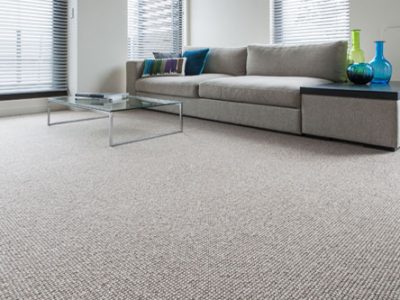
Generally carpet flooring is harder to maintain on a day-to-day basis and requires more deep cleaning than a hard floor. Carpet traps dirt in the fibres and tends to soak up liquid spills. Professional steam cleaning is usually required every 12 months.
- Carpets require almost weekly vacuuming to pick up dirt debris and allergens that have sunk into the pile. Hard floors can be easily swept and lightly mopped to remove the same issues.
- Liquids soak into carpet fibers meaning spills need rapid response to try and prevent staining and odours. On a hard floor, spills generally wipe away easily.
- Deep cleaning is a regular requirement of carpets, with a steam clean and shampoo every 12 months. Hardwood floors require very minimal deep cleaning. They might need to be re-stained in a few years, if that.
- In high-traffic areas carpets will flatten and dull over time, while hardwood floors will look almost as good as the day they were installed.
- If a carpet is severely stained or burnt, it can be extremely difficult to repair. Often you would need to replace the carpet in the whole room. Hardwood floors can often be sanded and polished back to almost-new.
Health and Allergies
For carpet flooring, Cronulla residents who suffer from asthma or severe allergies, often find it easier to live with hardwood floors. Carpets trap dust, pollen and pet dander, fleas and dust mites. This makes keeping your home a low-allergen environment an ongoing battle. Hard flooring prevents any of these allergens from settling, allowing you to wipe them away.
The Best of Both Worlds
If you love the warmth and comfort of carpet underfoot but want to minimise maintenance, consider combining the two in different parts of the home. It is becoming more common for new builds in the Sutherland Shire to have bedrooms and the area just outside the bedrooms carpeted, while the high-traffic zones and wet zones, such as kitchen, living and lounge areas, to be hardwood.
You can also accessorise hardwood floors with easy to clean and maintain rugs. Coffee table legs mounted on rugs can help prevent scratching when they are moved.
What’s the Best Low-Maintenance Flooring from Cronulla Carpets?
In coastal areas like Cronulla and the Shire, two of the best low-maintenance flooring options would be Luxury Vinyl Plank and Timber. They are highly durable, and can handle wet towels and sandy feet with no problems. You can have the aesthetic appeal of a timber floor and the scratch resistance of vinyl flooring.
Since 1948, we’ve searched far and wide to bring our customers a fantastic range of flooring options. From carpet to timber and vinyl, we have options in a variety of different finishes, patterns, colours, and styles.
The true answer for a low-maintenance floor may be different for you. We encourage you to give our team a call on 02 9525 2155, or get in touch via our contact page, so we can look at your situation and make the best flooring recommendations that suit you.
Sorry, the comment form is closed at this time.